
Arizona vs. North Carolina: Competing Retirement Paradises for 20,203 and 20,369 Retirees
Introduction: A Tale of Two Retirement States Arizona vs. North Carolina: Competing Retirement Paradises for 20,203 and 20,369 Retirees As individuals approach their golden years, the choice of where to retire often becomes a pivotal decision in their lives. Arizona and North Carolina stand out as two of the…
Introduction: A Tale of Two Retirement States
Arizona vs. North Carolina: Competing Retirement Paradises for 20,203 and 20,369 Retirees
As individuals approach their golden years, the choice of where to retire often becomes a pivotal decision in their lives. Arizona and North Carolina stand out as two of the country’s most desired retirement destinations. With a retiree population of 20,203 in Arizona compared to 20,369 in North Carolina, both states offer unique advantages that cater to the diverse needs and preferences of retirees.
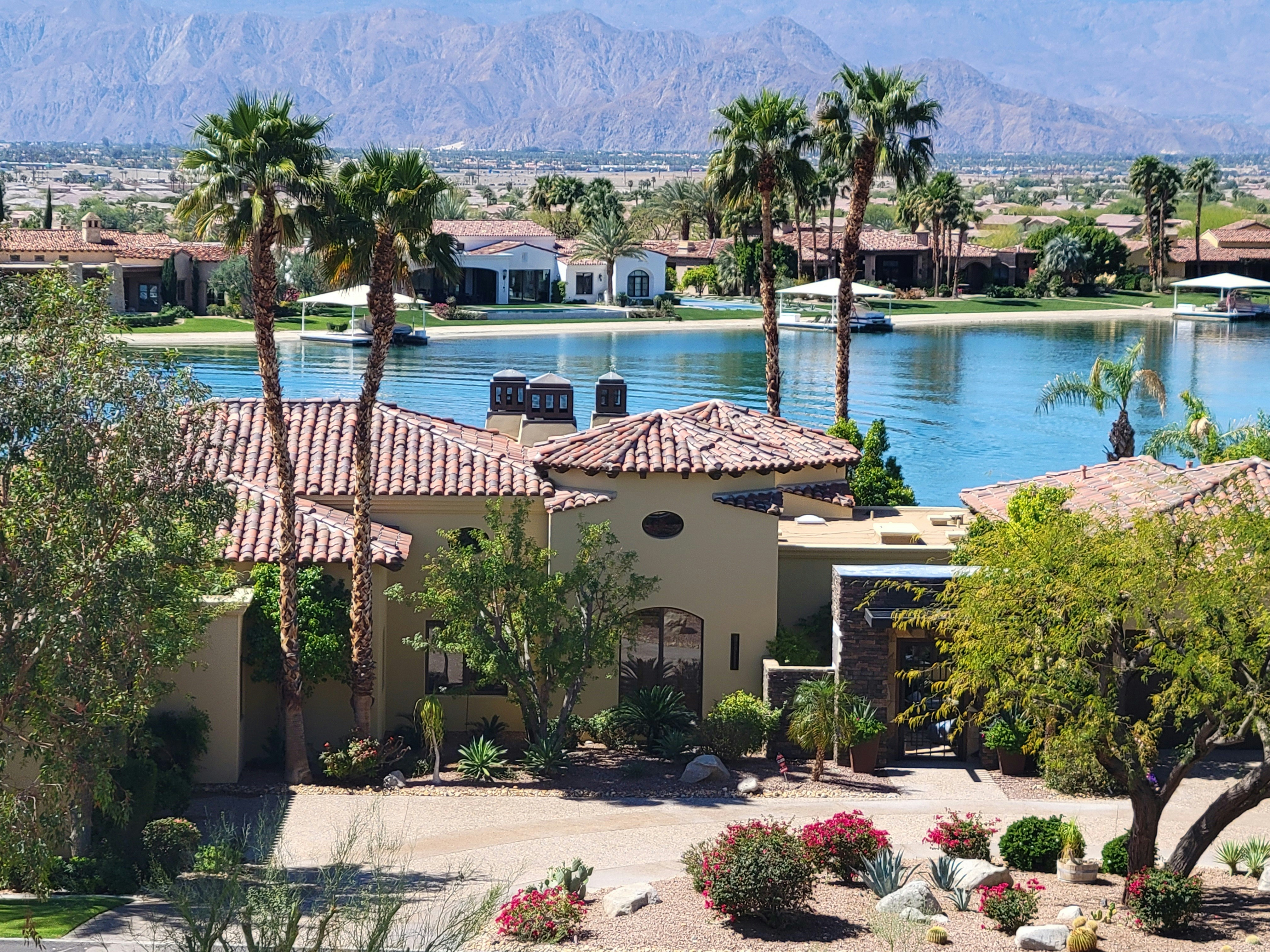
The appeal of Arizona lies largely in its warm, arid climate, characterized by long summers and mild winters. This sunny environment is particularly enticing for retirees seeking to escape harsh, cold winters. Arizona boasts a vibrant landscape, from the majestic Grand Canyon to serene desert vistas, offering ample opportunities for outdoor activities. The state also features a lower cost of living in many areas, which is an essential factor for retirees on fixed incomes looking for a peaceful, enjoyable lifestyle.
On the other hand, North Carolina’s charm is rooted in its temperate climate that offers four distinct seasons, allowing retirees to enjoy spring blooms and colorful autumn leaves. The state is known for its picturesque mountains, serene coastlines, and a rich cultural heritage. The thriving arts scene, coupled with numerous recreational opportunities, makes North Carolina an inviting haven for those seeking both relaxation and engagement. Moreover, its healthcare services are often praised, which is a crucial consideration for the health-conscious retiree.
These contrasting climates, along with each state’s unique lifestyle offerings, set the stage for an in-depth exploration of what Arizona and North Carolina can provide for retirees. As we delve further into this comparison, we will examine factors such as costs, amenities, and community outreach initiatives, all of which play a significant role in the decision-making process for retirees considering these two appealing states.
Related: Why Record Numbers of New Yorkers Are Snowbirding to Florida in 2025 (And Some Aren’t Coming Back)
Climate Comparison: Heat vs. Mild Weather
When considering retirement locations, the climate can be a crucial factor influencing the decision-making process. Arizona, renowned for its hot desert climate, boasts over 300 sunny days each year. With its high temperatures, particularly during the summer months, retirees often experience the warmth that this state uniquely offers. However, it is essential to recognize that such extreme heat can have repercussions on health, particularly for vulnerable populations. The risk of heat-related illnesses increases, making hydration and proper sun protection vital considerations for daily activities. Furthermore, air conditioning becomes a significant ally for comfort, impacting monthly utility bills.
In contrast, North Carolina presents a temperate climate characterized by four distinct seasons. This diversity allows retirees to experience a range of weather phenomena, from the blossoming flowers of spring to the vivid colors of autumn. Winters, although generally mild, can occasionally bring snowfall, which may appeal to those who wish to enjoy the seasonal changes without the prolonged cold that characterizes many northern states. The moderate temperatures reduce the risk of heat-related health issues, offering retirees a refreshing alternative that encourages outdoor activities like gardening or leisurely strolls.
Ultimately, the choice between Arizona and North Carolina boils down to personal preferences regarding climate. For those who cherish sunny days and dry conditions, Arizona presents an appealing option. Conversely, individuals who appreciate a variety of seasonal changes may find North Carolina’s mild weather more aligning with their lifestyle. Each climate offers its unique advantages and challenges, making it imperative for retirees to consider how these conditions will impact their overall well-being and daily lives as they enter this new phase of existence.
Cost of Living: Dollars and Cents
When considering retirement options, the cost of living can significantly influence the decision-making process. Both Arizona and North Carolina provide appealing financial environments for retirees; however, they differ in specific areas such as housing, healthcare, and taxes, which can impact overall affordability.
In terms of housing, Arizona typically boasts a median home price of approximately $387,000 as of 2023, a figure projected to rise due to increasing demand. Conversely, North Carolina offers a more affordable median home price, around $283,000, making it a more budget-friendly option for retirees looking to settle down. These figures highlight that while both states offer attractive housing markets, North Carolina is generally more accessible for retirees seeking homeownership.
The healthcare aspect of the cost of living is essential for retirees. According to the Bureau of Labor Statistics, healthcare costs in Arizona average about $5,500 per year, considerably higher than the North Carolina average, which stands at roughly $4,300. This discrepancy makes North Carolina a preferable choice for retirees prioritizing healthcare affordability as they navigate their golden years.
Taxes are another crucial component of cost considerations. In Arizona, retirees may face a 2.59% to 4.50% state income tax rate, depending on their income level. North Carolina, however, has a flat income tax rate of 5.25%, which can be advantageous for high earners. Additionally, North Carolina does not tax Social Security benefits, whereas Arizona taxes these benefits partially, enhancing North Carolina’s appeal for retirees seeking to maximize their disposable income.
In summary, while both Arizona and North Carolina offer desirable living conditions for retirees, North Carolina may present a more financially sustainable option due to its lower housing costs, reduced healthcare expenses, and tax advantages. Understanding these components is crucial for retirees aiming to make well-informed choices regarding their future living arrangements.
Healthcare Access: Vital Considerations for Retirees
When it comes to retirement, access to quality healthcare is a fundamental concern for retirees, as it directly influences their overall quality of life. Arizona and North Carolina both offer distinct healthcare systems that cater to the needs of their aging populations. The availability of medical services, quality of care, and health insurance options are crucial factors retirees prioritize when selecting a location for their golden years.
In Arizona, the healthcare landscape is robust, with a wide array of healthcare facilities, including hospitals and specialized clinics, particularly in areas frequented by retirees. Notably, cities like Phoenix and Tucson are home to numerous healthcare providers, ensuring that residents have convenient access to necessary medical services. The state boasts several elder care resources, including Medicare Advantage plans, which help cover the specific needs of retirees. Additionally, healthcare ratings in Arizona often reflect high-quality care, with many institutions receiving commendations for their patient outcomes and overall service.
Conversely, North Carolina presents its own set of advantages in healthcare access. The state has a reputation for promoting wellness among its residents, with a strong emphasis on preventative care. Access to quality healthcare is generally favorable, and the presence of several esteemed teaching hospitals contributes positively to the state’s healthcare system. Furthermore, North Carolina is known for its nursing homes and rehabilitation centers, which are essential for retirees seeking long-term care options. The healthcare ratings in North Carolina underscore the quality of care provided, indicating a commitment to addressing the health needs of retirees.
Ultimately, as retirees evaluate Arizona and North Carolina, the differences in healthcare access may play a pivotal role in their decision-making process. The quality of medical services and the availability of specialized care must align with their specific health needs and preferences, making healthcare a vital consideration in choosing the ideal retirement destination.
Recreational Opportunities: Activities and Lifestyle
Arizona and North Carolina both boast an impressive array of recreational opportunities that make them sought-after locations for retirees. The landscapes of these states each offer unique experiences that appeal to varying preferences and lifestyles. In Arizona, the rugged beauty of the Sonoran Desert provides an exceptional backdrop for numerous outdoor activities. Retirees can enjoy hiking on the many trails available, including those in the iconic Grand Canyon National Park, which showcases breathtaking views and diverse ecosystems. Additionally, Arizona is renowned for its golf courses, with locations offering stunning vistas and year-round playability, making it a golfer’s paradise.
On the other hand, North Carolina attracts retirees with its contrasting coastal and mountainous terrains. With access to both the Atlantic Ocean and the Appalachian Mountains, retirees can indulge in various activities such as fishing, boating, and beachcombing along the coastline. Fishing in the Outer Banks is particularly popular, as the waters are teeming with opportunities for both novice and experienced anglers. Meanwhile, the Blue Ridge Mountains offer picturesque hiking trails that wind through lush forests and provide access to scenic viewpoints, perfect for those looking for tranquility in nature.
The lifestyle offerings in both states contribute significantly to their appeal as retirement destinations. The warm weather in Arizona allows for an active outdoor lifestyle almost year-round, while the seasonal changes in North Carolina introduce a variety of recreational activities that evolve with the seasons. Ultimately, retirees are drawn to these diverse landscapes which provide them not only with physical activities but also with a vibrant community atmosphere and a sense of belonging.
Related: Portugal Visas – What Your Need to Know
Community and Culture: The Social Aspect of Retirement
Retirement is not solely about leisure; it is fundamentally intertwined with community dynamics and cultural engagement. Both Arizona and North Carolina offer unique opportunities for retirees, fostering rich social lives that enhance the retirement experience.
In Arizona, the retirement landscape is characterized by a vibrant community atmosphere, particularly in well-established retirement communities. These areas often provide a plethora of social clubs and organizations that cater specifically to retirees. Activities such as golf, arts and crafts, and numerous organized excursions enable individuals to connect with like-minded peers, thereby cultivating a strong sense of belonging. The state’s warm climate further facilitates outdoor socialization, making it easier to engage in communal events like seasonal fairs and festivals. Such interactions not only enrich residents’ lives but also contribute to better mental well-being.
Conversely, North Carolina boasts a diverse cultural scene, especially in cities like Asheville and Charlotte, with a wealth of artistic venues, theaters, and museums. This state tends to attract retirees with its blend of Southern charm and cultural sophistication. Most notably, retirees can access a range of local events, from farmers’ markets to music festivals, ensuring a continuous array of opportunities to socialize. Moreover, North Carolina places a strong emphasis on community service and volunteerism, allowing retirees to engage actively with the local community and build lasting relationships.
Both states encourage retirees to immerse themselves in their surroundings, yet they reflect different aspects of community life. Ultimately, the choice between Arizona and North Carolina may hinge on personal preferences regarding climate, culture, and social interaction opportunities. Such cultural factors play a pivotal role in shaping a fulfilling retirement lifestyle, making each destination a potential paradise for its inhabitants.
Safety and Security: A Priority for Retirees
When choosing a retirement destination, safety and security are paramount concerns for many retirees. Arizona and North Carolina, both popular states among retirees, offer differing safety rankings and crime rates that can greatly influence the decision-making process for potential movers.
In Arizona, various urban areas such as Phoenix and Tucson experience higher crime rates compared to more rural regions like Sedona. According to recent crime reports, violent crime rates in Phoenix are higher than the national average. However, cities like Gilbert and Peoria, noted for their family-friendly atmosphere, exhibit lower crime statistics, providing a more secure environment for retirees seeking tranquility.
Conversely, North Carolina displays a mixed safety record, with cities like Charlotte and Raleigh facing challenges related to property crimes, even while other areas, particularly in the Western part of the state, boast significantly lower crime rates. Research indicates that the average violent crime rate in North Carolina is below the national average, with many suburbs being appealing for those prioritizing safety. Furthermore, towns such as Cary and Apex consistently rank as some of the safest places to live in the United States, making them attractive to retirees.
Retirees looking for a safe environment often consider crime statistics and the reputation of neighborhoods before relocating. A larger number of retirees value access to community resources and involvement, which can contribute to decreased crime rates. Ultimately, safety is a vital determinant in the overall quality of life, making it essential for retirees to weigh their options carefully between Arizona and North Carolina. Each state’s unique characteristics must be matched with individual preferences for security and community living.
Weathering Change: Adapting to the Local Environment
Relocating to a new state is a significant transition, especially for retirees aiming to enjoy their golden years. When considering Arizona or North Carolina, understanding and adapting to the local climate is essential to ensure a comfortable and enjoyable retirement experience. Each destination presents unique weather characteristics that retirees must navigate.
Arizona is renowned for its arid climate, which can pose certain challenges for newcomers. The dry heat may be a stark contrast to the moderate climates many retirees are accustomed to. To adapt to these conditions, new residents should prioritize hydration. Regularly drinking water throughout the day helps combat the risk of dehydration, which is a prevalent concern in such environments. Additionally, taking advantage of morning and evening hours for outdoor activities can be beneficial, as temperatures are milder during these times.
On the other hand, North Carolina’s humid subtropical climate can present a different set of challenges, characterized by high humidity and temperatures that can feel oppressive during the summer months. Retirees might find investing in good air conditioning systems essential for maintaining comfort indoors. To thrive in this humid environment, exploring local resources such as community centers and indoor fitness classes can provide opportunities for socializing while staying cool. Choosing breathable clothing also offers comfort and helps to manage the heat.
Both states offer various outdoor activities, from Arizona’s stunning desert landscapes to North Carolina’s lush mountains and coastline. By understanding the nuances of their respective climates, retirees can make the necessary adjustments to fully enjoy their new surroundings, fostering a fulfilling and active lifestyle. Adaptability is key in making the most out of retirement, regardless of the weather conditions encountered.
Conclusion: Making the Right Choice for Retirement
As we have explored, both Arizona and North Carolina present unique advantages for retirees considering relocation. Arizona is well-known for its warm climate and abundance of sunshine, making it an attractive option for those who wish to escape colder winters. The state’s affordability and various recreational activities cater to active retirees who prioritize outdoor pursuits and leisure opportunities.
On the other hand, North Carolina offers a diverse topography, ranging from picturesque mountains to beautiful coastlines, appealing to retirees who value a variety of landscapes and activities. The state’s moderate climate can provide a balmy year-round experience, while its vibrant communities and rich cultural heritage offer retirees the chance to engage in social and recreational activities at their own pace.
When deciding between these two states, it is essential for potential retirees to consider their personal preferences, including climate, cost of living, access to healthcare facilities, and desired lifestyle. Evaluating these factors against the benefits of each state can help in making an informed decision that aligns with one’s retirement goals.
Both Arizona and North Carolina can undoubtedly serve as ideal retirement destinations. Whether opting for the arid deserts of Arizona or the verdant hills and coastal towns of North Carolina, retirees can find welcoming communities and a quality of life that meets their individual needs. Ultimately, weighing one’s own priorities and desires will lead to the most appropriate and fulfilling choice in this pivotal stage of life.
Data for this article comes from SmartAsset’s 2025 retirement migration study, U.S. Census Bureau statistics, and healthcare cost comparisons verified through Bureau of Labor Statistics reporting on retirement destinations.