
Why 1.6 Million Americans Chose Mexico Over Arizona for Retirement (And Aren’t Looking Back) – Retire in Mexico?
Why 1.6 Million Americans Chose Mexico Over Arizona for Retirement (And Aren’t Looking Back) – Retire in Mexico? Introduction: The Great Retirement Migration South When retirement planning leads to surprising destinations, 1.6 million Americans have made a choice that baffles traditional financial advisors. They bypassed Arizona’s celebrated sun and…
Why 1.6 Million Americans Chose Mexico Over Arizona for Retirement (And Aren’t Looking Back) – Retire in Mexico?
Introduction: The Great Retirement Migration South
When retirement planning leads to surprising destinations, 1.6 million Americans have made a choice that baffles traditional financial advisors. They bypassed Arizona’s celebrated sun and chose Mexico instead. This isn’t a temporary trend or a few adventurous souls testing the waters. This represents the largest population of U.S. citizens living abroad anywhere in the world.
Arizona remains America’s second most popular retirement state, attracting 20,203 new retirees in 2023 alone. The Grand Canyon State offers 300 days of sunshine, no humidity, and a well established infrastructure for seniors. Yet south of the border, something even more compelling draws retirees by the hundreds of thousands.
The numbers tell a story that retirement magazines rarely publish. While Arizona celebrates its growing retiree population, Mexico quietly hosts nearly 80 times that number of American expats. The financial math becomes impossible to ignore when a comfortable retirement in Arizona requires $3,500 monthly but the same lifestyle in Mexico costs $2,000 or less.
This isn’t about roughing it or settling for less. American retirees in Mexico enjoy modern healthcare, vibrant expat communities, and amenities that rival or exceed what they left behind. They’re living in colonial cities with UNESCO World Heritage status, beachfront towns with year round warmth, and mountain communities with perfect spring weather every single day.
The Cost Gap That Changes Everything
Arizona’s median home price sits at $387,000, a figure that makes many retirees wince when they calculate their budget. Mexico offers beautiful homes in safe, desirable neighborhoods for $150,000 or less. That’s not a typo. For the price of a modest Arizona condo, retirees buy spacious homes with courtyards, multiple bedrooms, and often a view that would cost millions north of the border.
Monthly rent tells an even more dramatic story. A modern one bedroom apartment in a mid sized Mexican city runs under $600 monthly. Compare that to Arizona’s rental market where similar accommodations start at $1,200 and quickly climb higher in popular retirement areas like Scottsdale or Sedona.
The savings extend far beyond housing. Groceries in Mexico cost 30 to 50 percent less than U.S. prices, with fresh produce from local markets at prices that seem impossibly low to American shoppers. A week’s worth of fresh fruits, vegetables, and proteins often totals what Americans spend on a single dinner out.
Utilities follow the same pattern. While Arizona retirees face summer electricity bills that can hit $300 or more running air conditioning through brutal heat, Mexico’s coastal areas enjoy natural breezes. Even when AC runs in the warmest months, bills rarely exceed $100.
The overall cost of living comparison shocks most people. Mexico’s expenses run 41.7 percent lower than U.S. averages, with rent showing the most dramatic difference at 62.4 percent cheaper. A couple living comfortably in Mexico spends $2,000 to $2,500 monthly for everything including rent, food, utilities, entertainment, and healthcare. That same lifestyle in Arizona demands $3,500 to $4,500 monthly.
Healthcare: Quality Meets Affordability
The healthcare question stops many potential expats cold. Americans grow up hearing horror stories about foreign medical care, but the reality in Mexico shatters those misconceptions completely. U.S. doctors train in Mexican medical schools. Mexican doctors often receive training in the United States. The quality of care matches or exceeds what most Americans receive at home, with one staggering difference: the price.
A visit to a specialist in Mexico costs $50 to $75. That same appointment in Arizona runs $150 to $300 even with insurance. The gap widens dramatically for procedures and surgeries. An MRI in Mexico costs $300 to $500 compared to $2,600 average in the United States. Common surgeries run one third the U.S. price while maintaining the same quality standards.
Private health insurance for expats costs around $1,700 annually with a deductible. Many retirees skip insurance entirely and pay out of pocket because medical care remains so affordable. A routine doctor visit might cost $12 to $50, making it cheaper to pay cash than file insurance paperwork.
The Mexican government also offers affordable healthcare through two systems. Instituto Mexicano de Seguro Social (IMSS) costs about $45 monthly per person and requires legal residency. This provides access to doctors, hospitals, and prescriptions at government facilities. Many expats use a hybrid approach: IMSS for routine care and private doctors for specialists or procedures requiring immediate attention.
Prescription medications manufactured in Mexico cost 30 to 60 percent less than U.S. prices for identical drugs. Retirees report filling prescriptions that cost hundreds in Arizona for $30 or $40 in Mexican pharmacies.
Arizona’s healthcare advantages include proximity to major medical centers and familiarity with the U.S. system. Annual healthcare costs average $5,500 per person according to Bureau of Labor Statistics data. Mexico delivers comparable or superior care for half that amount while offering shorter wait times and more personal attention from medical staff.
Climate: Beyond the Desert Heat
Arizona’s desert climate appeals to many retirees, particularly those fleeing cold northeastern winters. The state delivers sunshine and dry heat with minimal humidity. Summer temperatures regularly exceed 110 degrees in Phoenix and Tucson, creating a different kind of weather challenge. Residents become prisoners of air conditioning from June through September, venturing outdoors only in early morning or evening.
Mexico offers remarkable climate diversity that Arizona cannot match. Coastal areas like Puerto Vallarta and Playa del Carmen provide tropical warmth year round with ocean breezes that moderate the heat. Mountain communities such as San Miguel de Allende sit at 6,000 feet elevation, creating perpetual spring weather with daytime temperatures around 75 degrees and cool evenings.
The Lake Chapala region near Guadalajara claims the world’s best climate, with average year round temperatures of 68 degrees and minimal seasonal variation. Retirees enjoy outdoor activities every single day without the extreme heat that confines Arizona residents indoors for months at a time.
Mexico’s geographic diversity means retirees choose their ideal climate rather than adapting to whatever a single state offers. Prefer four seasons? The central highlands provide mild winters and warm summers. Want endless summer? The Caribbean and Pacific coasts deliver consistent warmth. Seeking moderate temperatures all year? Mountain towns offer spring weather in January and July alike.
Arizona’s climate appeals to those who prioritize dry heat and minimal rain. Mexico provides that same desert climate in Baja California while simultaneously offering dozens of other climate zones within a few hours’ drive.
Communities and Culture: Where Home Feels Welcome
The expat community in Mexico has reached critical mass, creating infrastructure and support systems that rival anywhere in the world. Lake Chapala hosts about 10,000 full time American and Canadian expats with numbers nearly doubling during winter months. This established community means newcomers find instant connections, advice, and friendship.
San Miguel de Allende’s population runs about 10 percent expat, creating a bicultural environment where English speakers easily navigate daily life while immersing themselves in Mexican culture. The town’s UNESCO World Heritage status, thriving arts scene, and colonial architecture attract creative retirees and those seeking cultural richness.
Puerto Vallarta welcomes roughly 20,000 expats in its established communities along the coast. The city offers big city amenities, an international airport, modern shopping, and enough English speakers that language barriers rarely create problems. Yet authentic Mexican culture thrives alongside the expat presence, providing the best of both worlds.
Merida in the Yucatan Peninsula combines safety, affordability, and culture in a city of 1.2 million that includes 11,000 international expats. The Maya heritage, proximity to beaches and cenotes, and excellent healthcare make it increasingly popular despite summer heat that can reach 97 degrees.
These communities organize social clubs, volunteer opportunities, cultural events, and support networks that help retirees transition smoothly. Bridge clubs, yoga classes, art galleries, theater groups, and charitable organizations create busy social calendars for those who want engagement.
Arizona’s retirement communities in Sun City, Green Valley, and Scottsdale offer similar amenities with one key difference: the cultural experience remains fundamentally American. Mexico provides adventure, new experiences, and daily exposure to a rich culture that many retirees find invigorating rather than challenging.
Related: NY or Florida: Are New Yorkers Taking the Plunge to Move South?
Legal Requirements: Easier Than Expected
The idea of moving to another country intimidates many people, but Mexico has streamlined its residency process specifically to attract retirees. The temporary resident visa allows stays from one to four years and requires proof of either $4,100 monthly income or $70,000 in savings. These requirements vary slightly by consulate but remain accessible for most retirees with Social Security and modest retirement savings.
Permanent residency offers unlimited stay without renewals and requires slightly higher financial proof: approximately $5,500 monthly income or increased savings. Many retirees start with temporary residency and transition to permanent status after establishing themselves.
The application process begins at a Mexican consulate in the United States, not in Mexico itself. This makes the initial steps familiar and manageable. Required documentation includes bank statements, proof of income from pensions or Social Security, and standard identification. The process typically takes a few weeks to a few months depending on the consulate’s workload.
Arizona requires no special process beyond moving, but the financial barriers prove higher. The median home price and cost of living effectively screen out many retirees whose budgets stretch further in Mexico.
Mexican residency provides legal protection, the ability to open bank accounts, sign leases, and access government healthcare programs. It does not grant voting rights or change U.S. citizenship status. American retirees remain U.S. citizens with all associated rights and responsibilities.
Safety: Separating Fact from Fear
Safety concerns top the list of objections when Americans consider Mexico. News coverage focuses heavily on cartel violence in northern border states, creating an impression that danger lurks everywhere. The reality in popular expat destinations tells a completely different story.
Lake Chapala, San Miguel de Allende, Puerto Vallarta, Merida, and other retirement havens maintain crime rates lower than many U.S. cities. Violent crime rarely targets foreigners, and expat communities report feeling safer in Mexico than in their previous American hometowns. The U.S. State Department lists specific areas to avoid, most of which hold zero appeal for tourists or retirees anyway.
Common sense safety practices apply in Mexico just as they do anywhere: avoid isolated areas at night, don’t flash wealth, stay aware of surroundings, and build connections with trusted locals. These same practices serve retirees well in Phoenix, Tucson, or any American city.
Arizona’s safety record varies by location just as Mexico’s does. Phoenix experiences higher crime rates than the national average while smaller towns like Gilbert and Peoria rank among the safest in the country. The pattern holds in both nations: research specific communities rather than judging entire states or countries.
Many expats report that the tight knit nature of Mexico’s expat communities actually enhances safety. Neighbors watch out for each other, word spreads quickly about any concerns, and the communities actively maintain their reputations as safe havens.
The Lifestyle Advantage
Beyond dollars and cents, Mexico offers a pace of life that many retirees find transformative. The cultural emphasis on family, community, and enjoying daily moments rather than rushing through them creates an environment where stress melts away. Morning coffee at a local cafe, afternoon siestas, evening strolls through colonial plazas, and vibrant festivals celebrating everything from saints’ days to harvest seasons fill the calendar.
The food culture alone justifies the move for many retirees. Fresh tortillas from the corner tortilleria, street tacos for $1, sophisticated restaurants with multi course meals for $20, and local markets bursting with tropical fruits create daily culinary adventures. Arizona offers excellent Mexican food, but it’s Mexican American cuisine filtered through U.S. tastes and prices. Mexico delivers the authentic experience.
Proximity to the United States provides reassurance for those worried about being too far from family. Most major Mexican retirement destinations sit within a few hours’ flight from U.S. cities. Puerto Vallarta, Cabo, and Cancun all have international airports with multiple daily flights to American hubs. Ground transportation also works for those near the border.
The adventure factor appeals to retirees who want their golden years to include new experiences rather than comfortable predictability. Learning Spanish, making Mexican friends, exploring ancient ruins, discovering hidden beaches, and immersing in festivals and traditions keeps retirement feeling fresh and exciting.
The Arizona Counterargument
Arizona deserves credit for its appeal to retirees. The state offers familiarity, proximity to American family and friends, no language barriers, and a retirement infrastructure built over decades. Medicare works seamlessly, veterans’ benefits remain accessible, and the legal and financial systems operate exactly as retirees expect.
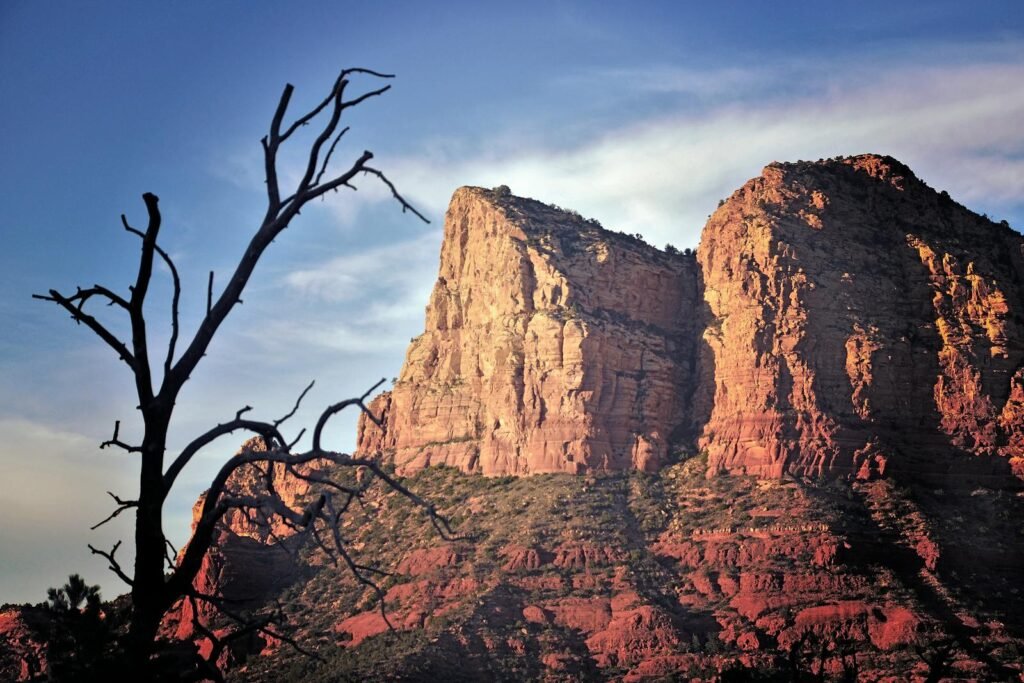
The Grand Canyon, Sedona’s red rocks, and the Sonoran Desert’s beauty create a stunning backdrop for retirement. Golf courses, hiking trails, and outdoor recreation opportunities abound. The state’s major cities provide cultural amenities including museums, theaters, professional sports, and shopping that matches any metropolitan area.
For retirees with significant health concerns requiring frequent specialist care or those who deeply value staying within the U.S. system, Arizona makes perfect sense. The higher costs buy certainty, familiarity, and the comfort of never navigating cultural or language differences.
The 20,203 retirees who chose Arizona in 2023 made the right choice for their circumstances. The state continues attracting newcomers and building retirement communities that serve residents well.
Making the Decision
The choice between Mexico and Arizona ultimately depends on individual priorities, financial situations, and appetite for adventure. Mexico offers dramatically lower costs, excellent healthcare at affordable prices, diverse climate options, and rich cultural experiences that keep retirement engaging. The 1.6 million Americans already living there prove that the model works and works well.
Arizona provides the security of staying in the United States with all the legal, financial, and cultural familiarity that implies. The costs run higher but remain predictable and manageable for retirees with solid pensions and savings.
The smartest approach involves visiting both options extensively before committing. Spend several months in different Mexican retirement communities. Rent before buying. Talk to established expats about their experiences both positive and negative. Do the same in Arizona, exploring various cities and communities.
Many retirees adopt a hybrid approach, spending summers in the United States near family and winters in Mexico enjoying lower costs and warmer weather. This snowbird lifestyle offers the best of both worlds while maintaining flexibility.
The retirement landscape has changed dramatically over the past two decades. Options that seemed radical or risky now represent mainstream choices backed by millions of successful retirees. The 1.6 million Americans in Mexico aren’t pioneers or risk takers. They’re practical people who did the math, visited the communities, and chose the option that maximizes their quality of life and financial security.
Arizona remains an excellent choice for many retirees. But the numbers don’t lie. For every American who retires to Arizona, nearly 80 more choose Mexico. They’re voting with their retirement savings, and they’re not looking back.
Related: Arizona or North Carolina: Two Retirement Possibilities
Sources
Data for this article comes from International Living’s 2025 Mexico retirement analysis, which reports more than 2 million U.S. and Canadian citizens currently living in Mexico. Retirement migration statistics from SmartAsset’s analysis of U.S. Census Bureau data showing Arizona’s net gain of 20,203 retirees in 2023. Cost of living comparisons verified through multiple sources including Numbeo, Mexico Relocation Guide, and Bureau of Labor Statistics data. Healthcare cost information from International Living and private healthcare providers serving expat communities. Housing prices from 2023 real estate market data for both regions.