
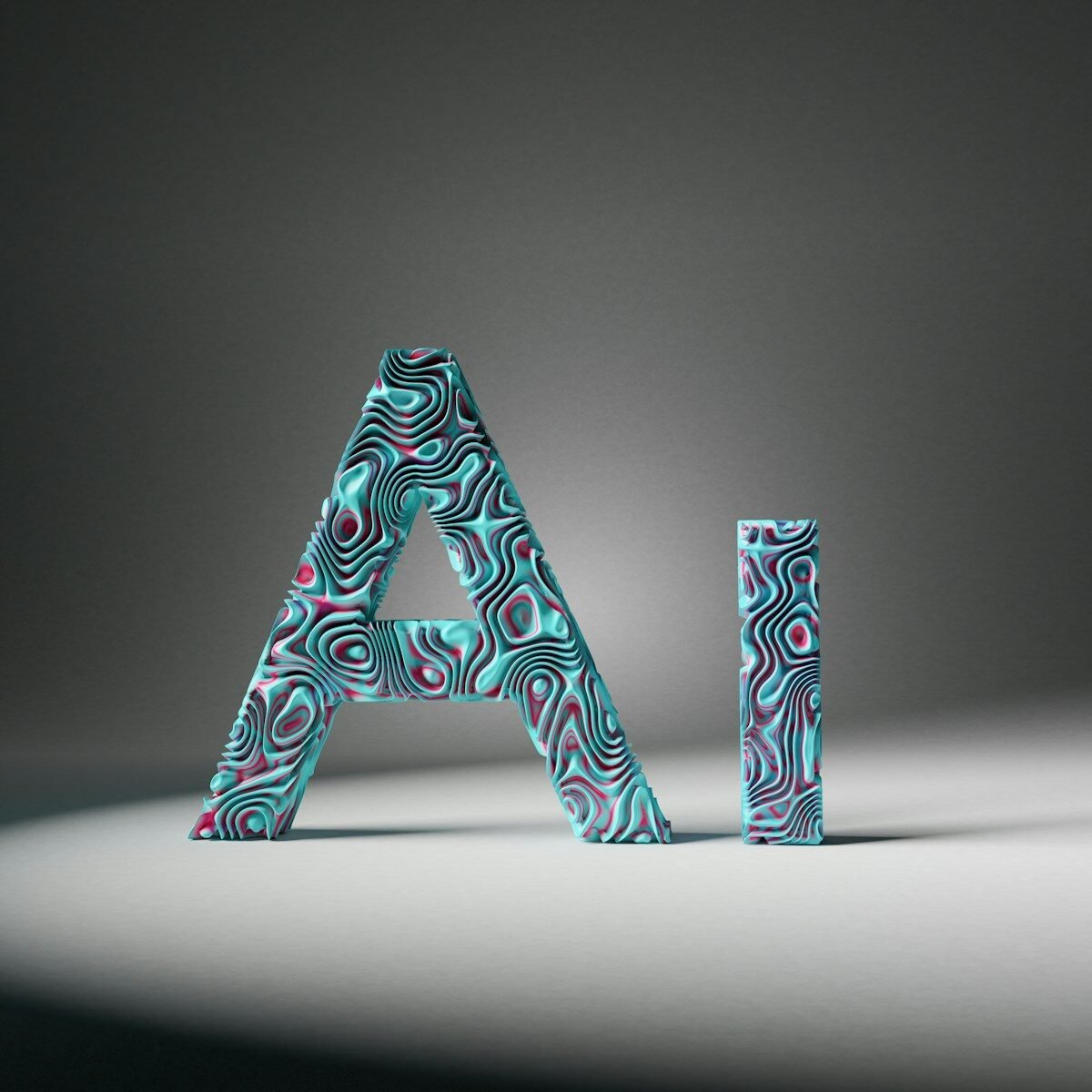
AI & Remote Work: Future-Proof Your Digital Nomad Career – 3 Essential Tips
Master AI tools before they master your job market The following is a transcription from an episode of the Travel Documented Podcast. Find out more here. AI & Remote Work: Future-Proof Your Skills How do you future-proof your remote work skills when AI is changing the game faster than…
Master AI tools before they master your job market
The following is a transcription from an episode of the Travel Documented Podcast. Find out more here.
AI & Remote Work: Future-Proof Your Skills
How do you future-proof your remote work skills when AI is changing the game faster than most people realize? If you’re a digital nomad, freelancer, or anyone working remotely, you’ve probably noticed AI tools popping up everywhere. Maybe you’re wondering if your current skills will still matter next year, or if that AI assistant will eventually replace what you do. Here’s the reality: AI isn’t going to replace remote workers, but remote workers who understand AI will replace those who don’t.
Welcome back to the Travel Documented Podcast, I’m Samantha, your host. Today we’re diving into practical strategies for adapting your remote work skills to the AI landscape. We’ll cover how to identify which tools actually matter for your work, what skills to develop that complement AI rather than compete with it, and how to redesign your workflows to stay productive and relevant as a location-independent professional.
Listen to the Episode
The AI Revolution
The AI revolution in remote work isn’t some distant future concept. It’s happening right now, and it’s affecting everything from how we write emails to how we manage projects. For digital nomads and remote workers, this creates both opportunity and anxiety. The opportunity is obvious: AI can automate tedious tasks, boost productivity, and free up time for higher-value work. The anxiety comes from uncertainty about which skills will remain valuable and how quickly you need to adapt.
Here’s what you need to understand about navigating AI in remote work. This isn’t about becoming a tech expert overnight or completely overhauling your career. It’s about making strategic adjustments to stay competitive while maintaining the flexibility that drew you to remote work in the first place. When you’re working from different countries or managing clients across time zones, AI tools can actually enhance your location independence by automating routine tasks and improving efficiency.
The key is understanding that AI works best as a productivity partner, not a replacement for human judgment and creativity. For remote workers, this means identifying opportunities where AI can handle the repetitive work while you focus on strategy, relationships, and complex problem-solving.
Audit Your Workflows
First, audit your current workflows to identify which AI tools are automating routine tasks in your field. Start by mapping out your typical workday and highlighting repetitive tasks. These might include data entry, scheduling, basic research, or routine communications. Then research which AI tools specifically target these areas in your industry.
For content creators, tools like ChatGPT or Claude can handle initial drafts and research, while Grammarly offers AI-powered editing. If you’re in project management, platforms like Monday.com and Asana now include AI features for task automation and progress tracking. Customer service professionals can leverage chatbots for initial inquiries while focusing on complex problem-solving.
The goal isn’t to find the fanciest AI tool, but to identify practical applications that save you genuine time. Focus on tools that integrate with platforms you already use rather than adding completely new systems to learn.
Related: Mastering Remote Work – New Scheduling Habits
Upskilling
Second, upskill by learning complementary skills that machines can’t easily replicate. This is where remote workers have a significant advantage. Skills like cultural adaptability, cross-time-zone communication, and independent problem-solving become even more valuable when paired with AI efficiency.
Data literacy is increasingly important across all remote work fields. You don’t need to become a data scientist, but understanding how to interpret AI-generated insights and ask the right questions will set you apart. Creative problem-solving and strategic thinking become more valuable as AI handles routine analysis.
Emotional intelligence and relationship building remain distinctly human strengths. For remote workers managing international clients or working across cultures, these skills become even more critical as AI handles the logistics.
AI Tool Management
Consider developing AI tool management as a skill itself. Someone who can effectively prompt AI systems, interpret results, and integrate multiple tools becomes incredibly valuable to remote teams and clients.
Third, redesign your remote work routines to integrate AI efficiently. This means restructuring how you approach daily tasks to maximize AI benefits while maintaining quality and personal connection.
Start your day by using AI for routine tasks like email sorting, calendar optimization, or research compilation. This frees up your peak energy hours for creative work and client interaction. Use AI tools for initial project drafts or data analysis, then apply your expertise for refinement and strategic decisions.
Related: AI and the Future of Work
For time zone management, AI can automate scheduling and send routine updates to clients while you sleep. Project management becomes more efficient when AI tracks progress and flags potential issues, allowing you to focus on team leadership and problem-solving.
The key is creating workflows where AI handles the predictable elements while you manage the human-centered aspects that require cultural awareness, creativity, or complex judgment.
Here’s the expert insight that many remote workers miss: adopt a human plus AI mindset rather than viewing AI as competition. The most successful location-independent professionals will be those who see AI as amplifying their capabilities rather than threatening their relevance.
Always Be Learning
This means continuously experimenting with new tools while developing the uniquely human skills that become more valuable in an AI-enhanced workplace. Critical thinking becomes more important when you need to evaluate AI-generated content. Cultural sensitivity and adaptability become competitive advantages when AI handles routine cross-border communications.
The workers who thrive will be those who can effectively manage AI tools while providing the strategic thinking, emotional intelligence, and cultural nuance that machines can’t replicate.
Your actionable takeaway is to conduct a workflow audit this week. Identify one repetitive task you can automate with AI, one skill area to develop that complements rather than competes with AI capabilities, and one AI tool to trial that could save you significant time. Then build your remote work strategy around these insights.
Don’t try to revolutionize everything at once. Start with small experiments that fit your current work style and gradually expand as you see results. The goal is building AI fluency while strengthening the human skills that will keep you valuable in an automated world.
This is Samantha, and this has been another episode of the Travel Documented Podcast. I’ll see you in the next one. Visit our website at traveldocumented.com for more resources, travel tips, and honest insights on your journey to location-independent living.





Your core point about digital nomads and remote workers approaching AI as augmentation rather than replacement is spot on.
Artificial intelligence is a super power.